Lateral Bending and Natural Asymmetry

Natural Asymmetry in Horses

Why your horse struggles (and what most riders miss)

Does this sound like your horse?

  1. Having a 'good' and 'difficult' side
  2. Going easier in one direction than the other
  3. Falling in or out on the circle
  4. Being heavy on one rein
  1. Not willing to go "on the bit"
  2. Lacking forward in walk
  3. Being irregular in trot
  4. Having trouble picking up one canter lead
  1. Having a 'good' and 'difficult' side
  2. Going easier in one direction than the other
  3. Falling in or out on the circle
  4. Being heavy on one rein
  5. Not willing to go "on the bit"
  6. Lacking forward in walk
  7. Being irregular in trot
  8. Having trouble picking up one canter lead
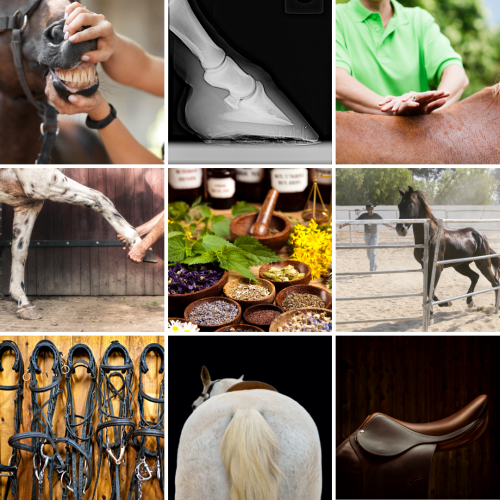
Crooked Horses

You're not alone!

Many riders have a horse that resist their guidance

Or a horse that is spooky and reacts to the smallest things.

Or a horse that is pushes into their space.

All this is holding them back from making progress and enjoying their horse.

Natural Asymmetry

You gave your all...

You've probably spent a lot of time, money, or energy to solve these issues.

You've likely tried all sorts of remedies, treatments or therapists.

Some of which may have offered short-term relief...  

But nothing seems to work long term.

You can't get it done

But you can't get it done... 

    Doing things with your horse still feels complated.

    Riding may even feel impossible.

    You feel confused.

    In doubt. 

    Maybe  frustrated 

    Or even angry.

    And it can can leave you feeling stuck...

Harses in nature

It's not your fault 

The real reason your horse is difficult to ride or hard to train? 

It's not you.

It's not your horse.

It's a hidden force that almost nobody talks about...

Chances are, no one has ever taught you how to recognize and address it.

Until now...

Horses

Meet the hidden force: Natural Asymmetry

Your horse's natural asymmetry is an invisible power that stands in the way of the results you're looking for.

And if it’s not addressed, it can lead to much bigger problems over time.

Not only can it affect your training and performance...

It can also contribute to issues like:

  • tension
  • uneven movement
  • long-term physical strain

In serious cases, even conditions can develop, like:

  • navicular disease 
  • kissing spines
  • behavioral issues
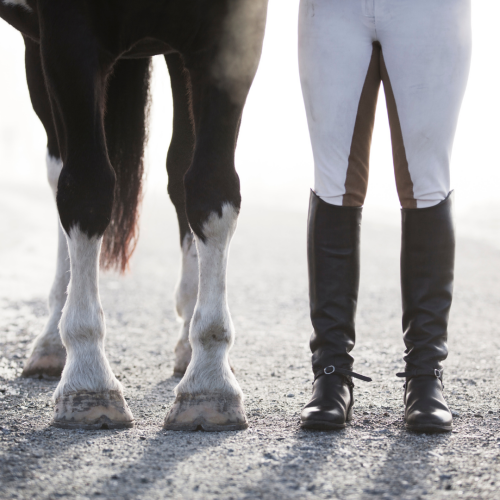
Dominant legs

What is Natural Asymmetry in horses

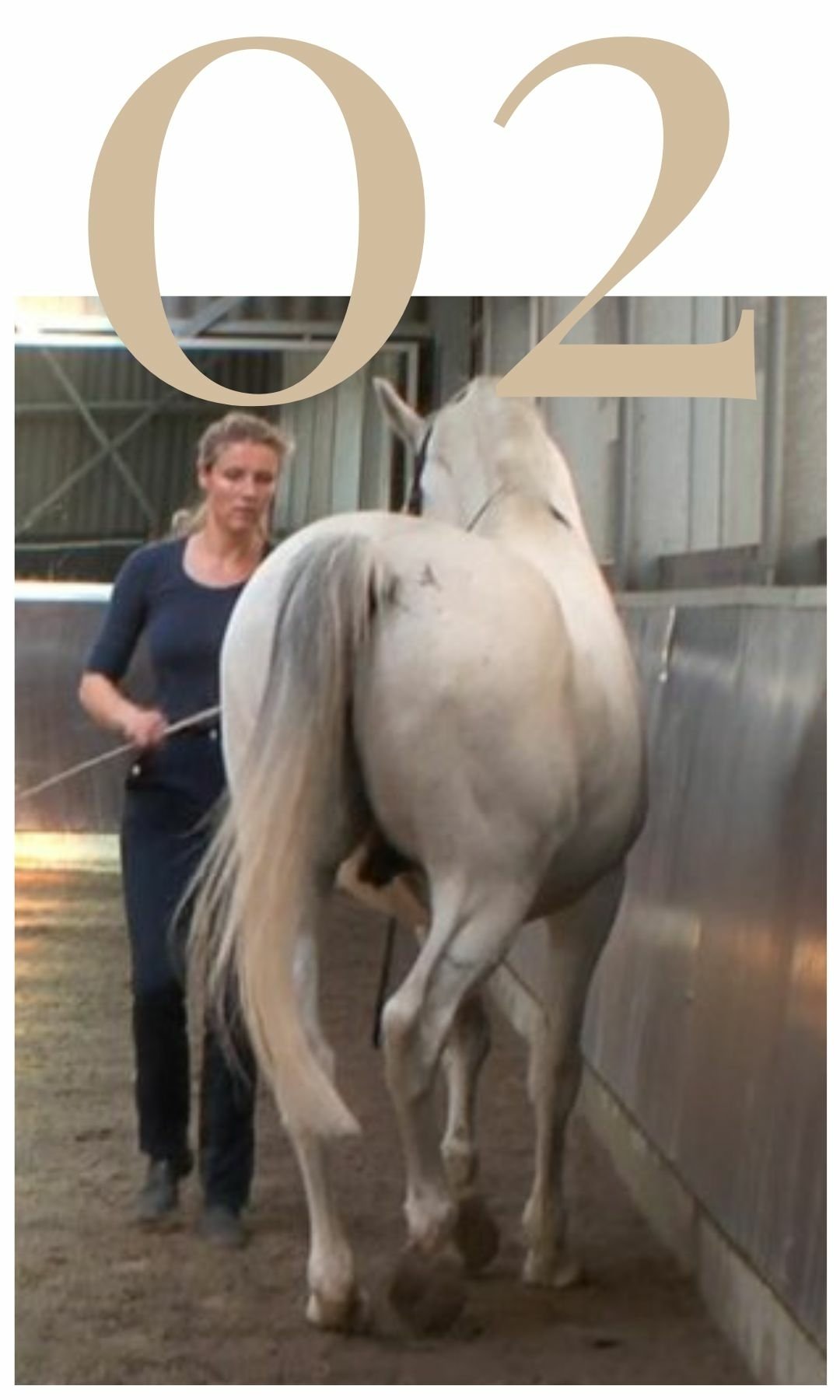
All horses are naturally asymmetrical.

Just like humans are left- or right-handed, horses also have a preferred side in their body and movement.

Having a dominant front and hindleg is natural.

And even helpful for survival.

But the moment you start training or riding your horse, this asymmetry becomes a challenge.

Because now, you are asking the horse to move in balance… 

... while the body is not developed equally.

Crooked Horses

How Natural Asymmetry affects your horse

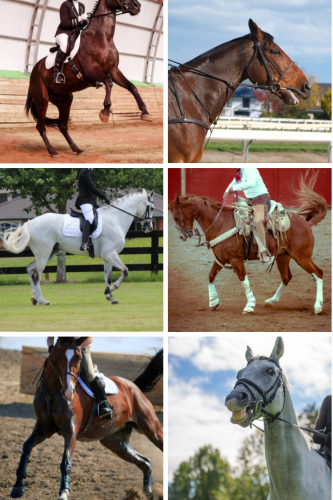
If your horse is not developed equally in body and limbs, many problems can appear:

  • stiffness
  • resistance
  • leaning on one rein
  • falling in on circles
  • uneven gaits
  • hollowing the topline
  • developing an underneck
  • tension and lack of relaxation

You might think "Why is my horse uneven?", "Why is my horse stiff on one side?", "Why is my horse harder on one rein?". 

What seems like stiffness, or even “bad behavior” is often just imbalance.

Natural Asymmetry

I know this firsthand...

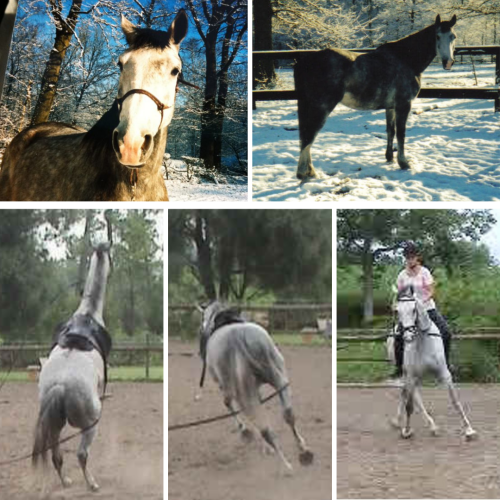
My name is Marijke de Jong, and when I met my horse Maestro, he was a spooky horse, difficult to turn, rearing every day, and almost impossible to ride.

I tried everything to solve these issues, but nothing really helped.

Until one day, I discovered the root cause: 

Natural asymmetry.

Thanks to Maestro, I developed the solution.

Fighting the symptoms

Why most training doesn't solve it

Most riders - and even instructors - don’t recognize natural asymmetry.

So the focus is often on correcting symptoms:

  • using stronger aids
  • adjusting equipment
  • trying different techniques

But without a clear and structured system, the real cause remains untouched.

And the problem keeps coming back.

How to address Natural Asymmetry

Straightness Training

Straightness Training is the solution.

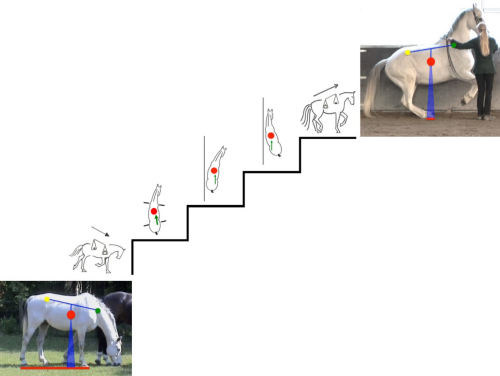
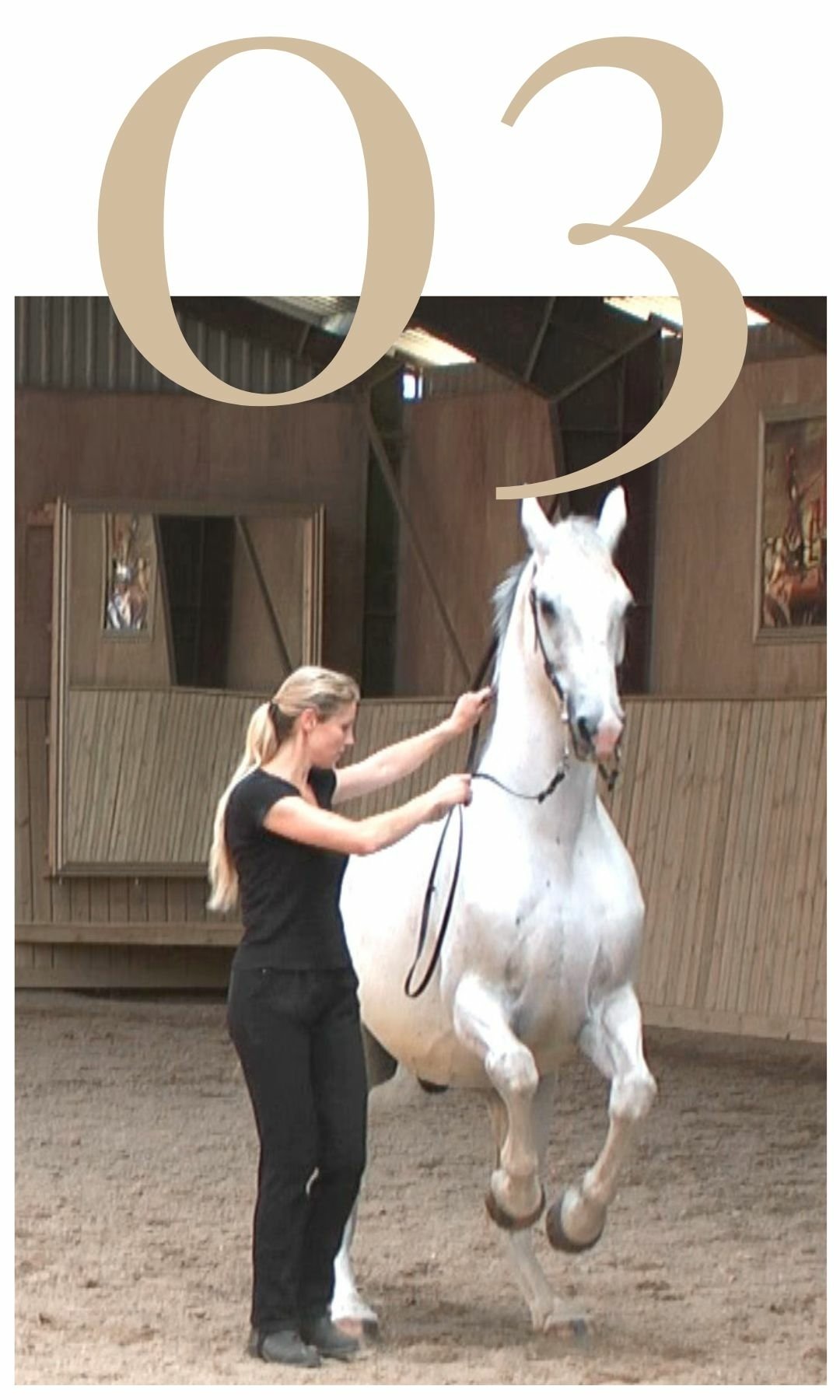
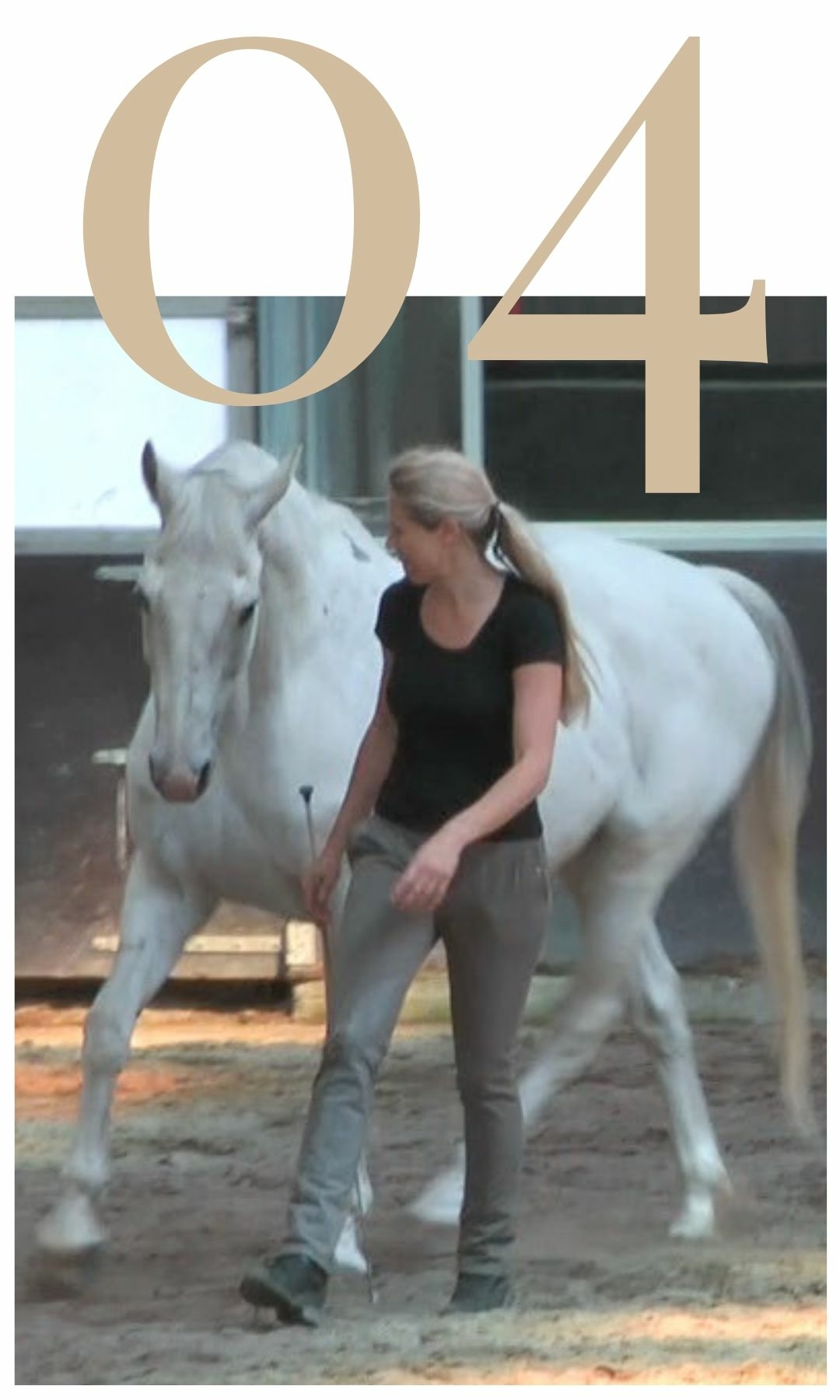
With Straightness Training you help your horse develop symmetrically in body and limbs.

And that leads to: 

  • balance
  • relaxation
  • harmony
  • and a horse that works with you, instead of against you.


With Straightness Training

To truly help your horse, you need a clear and structured approach.

With Straightness Training, you follow a step-by-step system

 Get Clarity

Learn to recognize and become aware of the natural asymmetry.

Get Confidence 

Know how to assess natural asymmetry and rebalance your horse  

Maestro Levade Straightness Training

Get Results 

Address the root cause and bring out the beST in you and your horse.

null

Get Harmony

Achieve balance, togetherness, and a strong partnership.

What changes when you understand Natural Asymmetry

Before

    Natural Asymmetry in horse

    1. Training your horse but not really making progress...
    2. Spending a fortune on specialists with little to show for it...
    3. Second guessing yourself, "What's wrong with your horse?"
    4.  Feeling frustrated seeing others succeed... you're still stuck.
    5. Often confused or lost, while trying to fix your horse... 

    After

    Natural Asymmetry in horse

    • Having a strategy that works (regardless your horse's breed).
    • No longer fighting the symptoms, instead, addressing the root cause!
    • Finally feeling confident because now you "get it".
    • Knowing EXACTLY what steps to take to move forward.
    •  Feeling empowered, confident, and sure of your next  step.

    FAQ

    1.  Is Natural Asymmetry normal?

    Yes,  every horse is naturally asymmetrical.  Just like humans are left- or right-handed, horses also have a dominant side.  This is completely normal and part of how the body is built.  


    2. Can it be fixed?

    You don’t “fix” it,  you develop your horse through it.  Natural asymmetry will always be there, but with the right training, you can help your horse create balance and suppleness. 


    3. Does my horse have it?

    Yes, every horse has it. But you’ll recognize it more clearly if your horse is easier in one direction, feels heavier on one rein, or falls in or out on a circle. These are all signs of natural asymmetry.


    4. What happens if I don’t address it?

    If natural asymmetry is ignored, it can lead to stiffness, resistance, uneven movement,  and even physical issues over time. Most training problems are not random,  they come from imbalance.


    5. Is natural asymmetry the reason my horse struggles?

    In most cases, especially when you've tried everything: yes. What looks like behavior, resistance, or lack of talent is often just a horse that is out of balance. Once you start recognizing natural asymmetry,
    everything starts to make more sense.

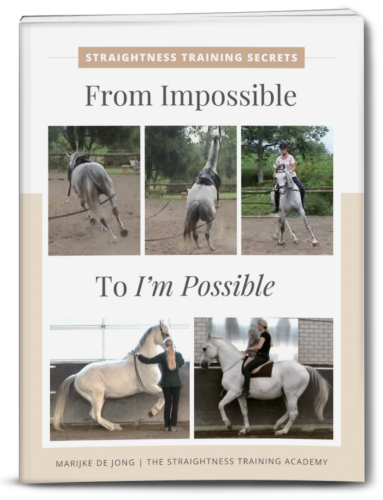
    Straightness Training Secrets eBook

    Finally understand why your horse struggles

    What most riders completely miss, and how it's affecting your horse.


    In this free guide, you’ll discover:

    • The strategies that never work - yet riders keep trying them.
    • Three things you can start doing right away to turn things around.
    • Why making your horse "listen" isn't working, and what to do instead.
    • How end your struggle and make it possible with your horse

    STart with the Free Guide »
    End Your Struggle — Once and For All