Build trust
Improve balance
Achieve harmony

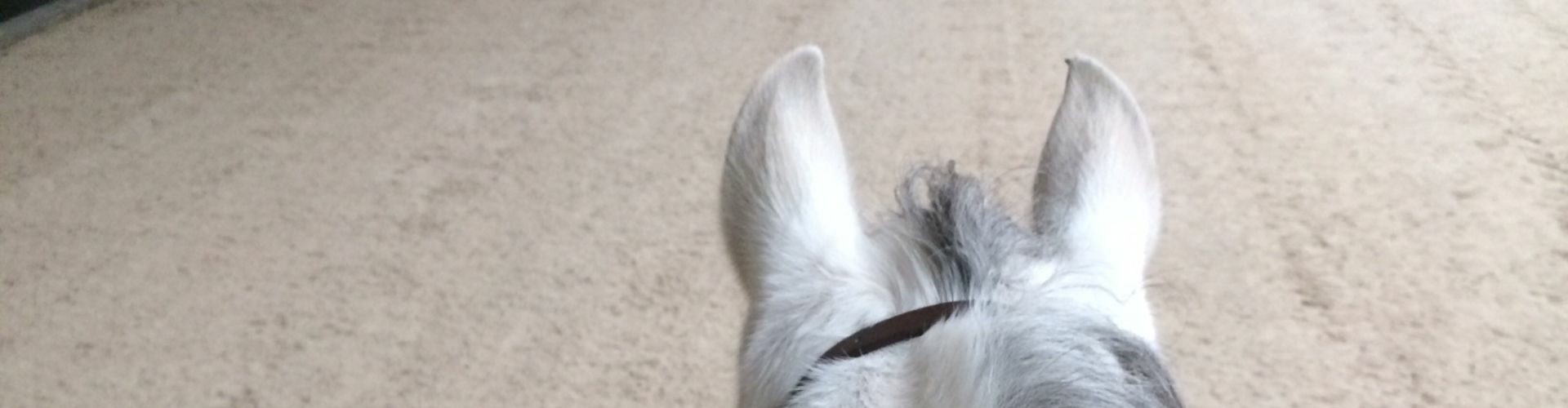
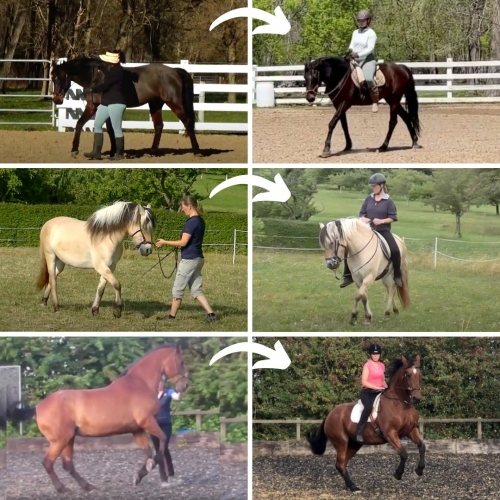
From struggle under saddle to riding in harmony with your horse
Many problems under saddle are not riding problems.
They don't start in the saddle.
They come from:
If your horse is not prepared, riding becomes difficult.
Without a solid foundation from the ground, riding often becomes a heavy, unclear or a struggle.
With the right preparation in groundwork, riding becomes light, balanced, and harmonious.
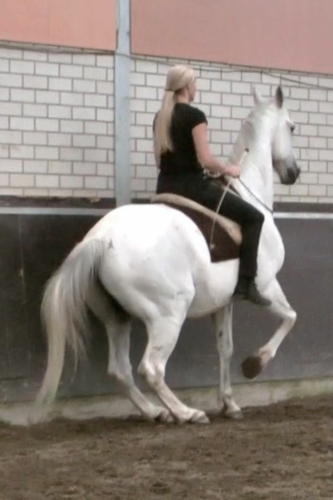
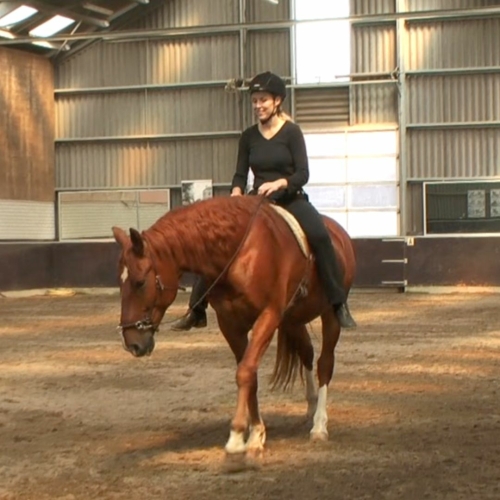
What is riding in Straightness Training?
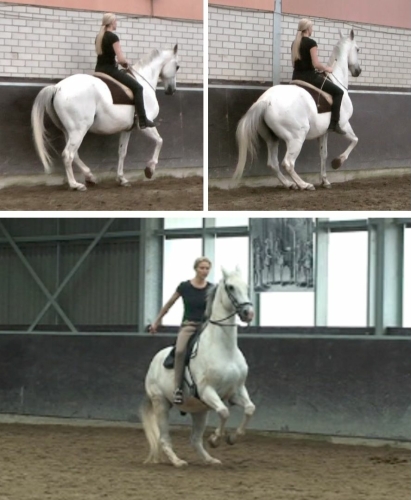
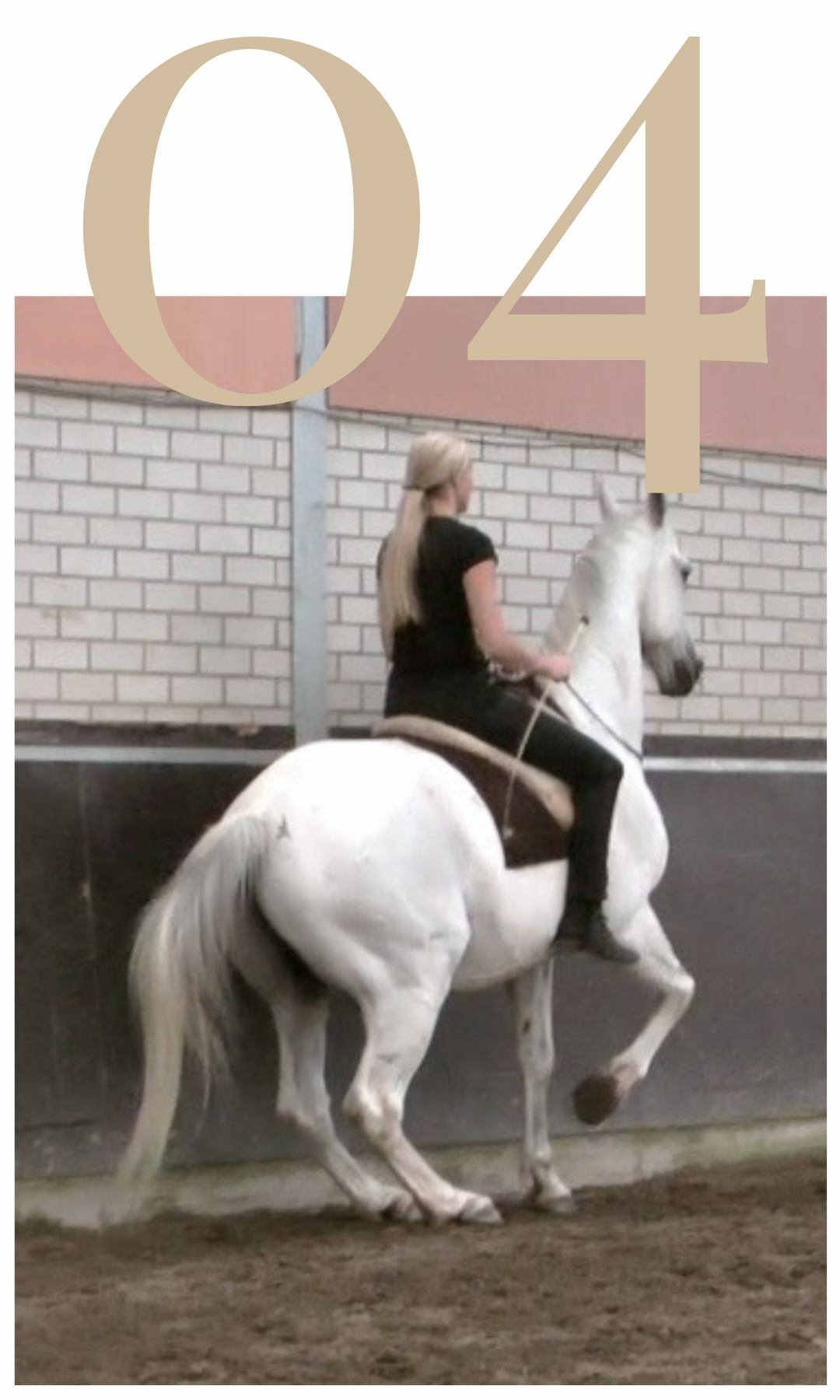
Riding is where all previous work on the ground comes together.
Balance, suppleness, and strength, now expressed with the rider on top.
Riding means guiding your horse with:
In Straightness Training, riding is not about obedience or performance.
It is about helping your horse move in balance and carry you with ease.
Your horse learns, now also with the rider on top, to:
This makes riding feel easier for both you and your horse.
Why preparation makes riding possible
Without a solid foundation, riding often becomes a struggle.
That's because every horse is naturally asymmetrical, which means:
If we don’t address this, the horse can develop stiffness, and resistance under saddle or develop kissing spines or navicular disease.
That is why riding without any prepation doesn't work.
With the right preparation, riding becomes light, balanced, and harmonious.
When you prepare your horse through:
your horse learns to carry more weight behind.
Now riding becomes possible and your horse can carry you in a healthy and balanced way.
What you develop in riding
This is where riding starts to feel easy instead of hard.
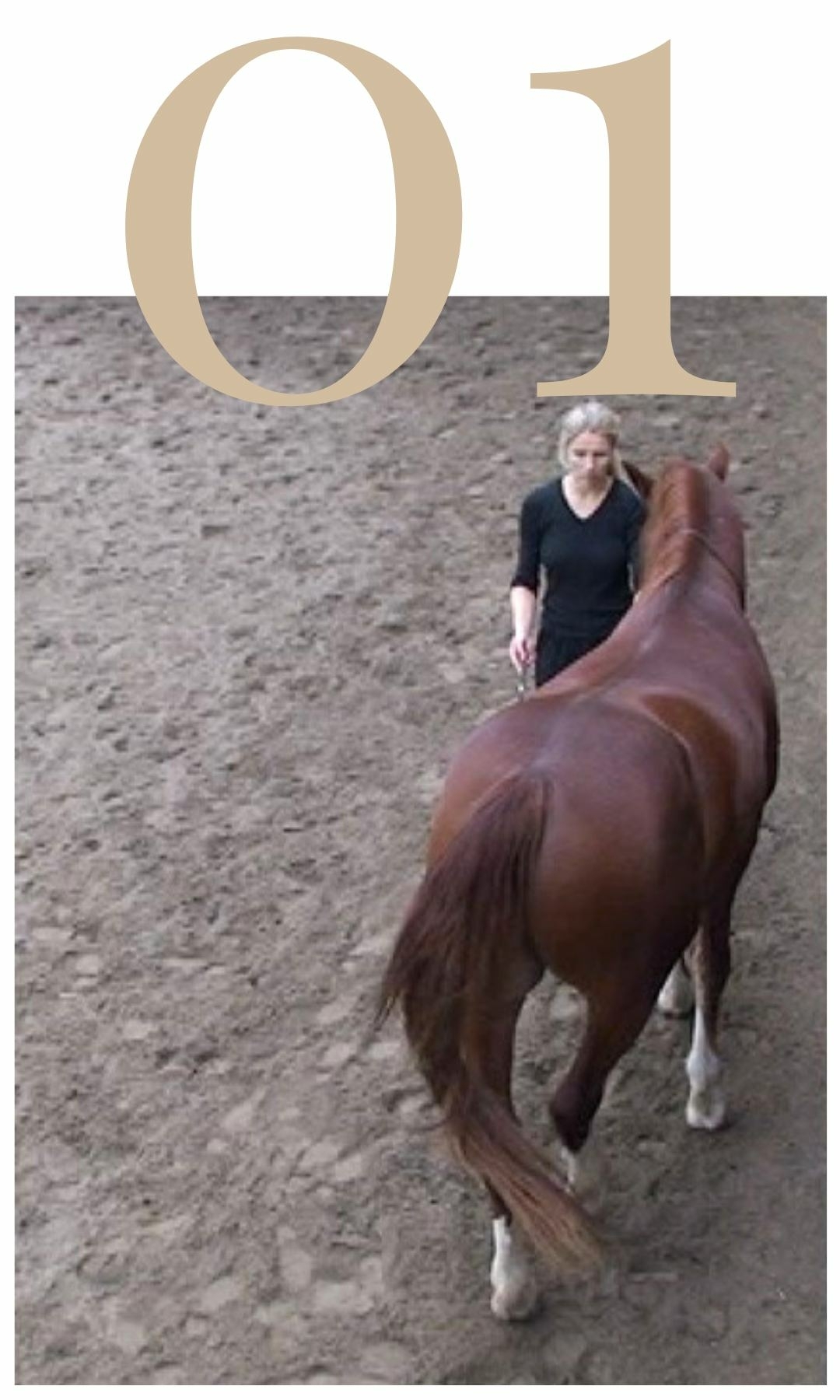
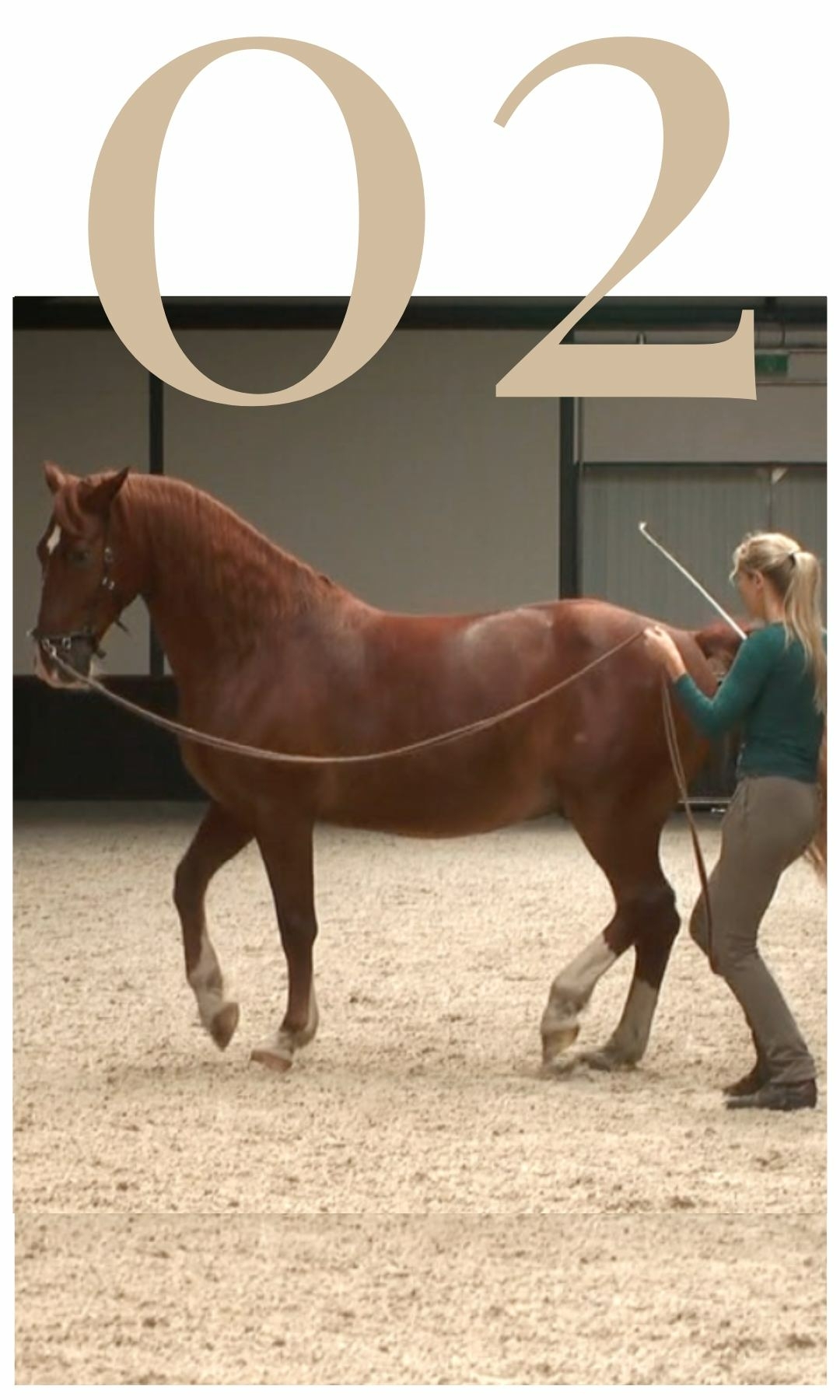
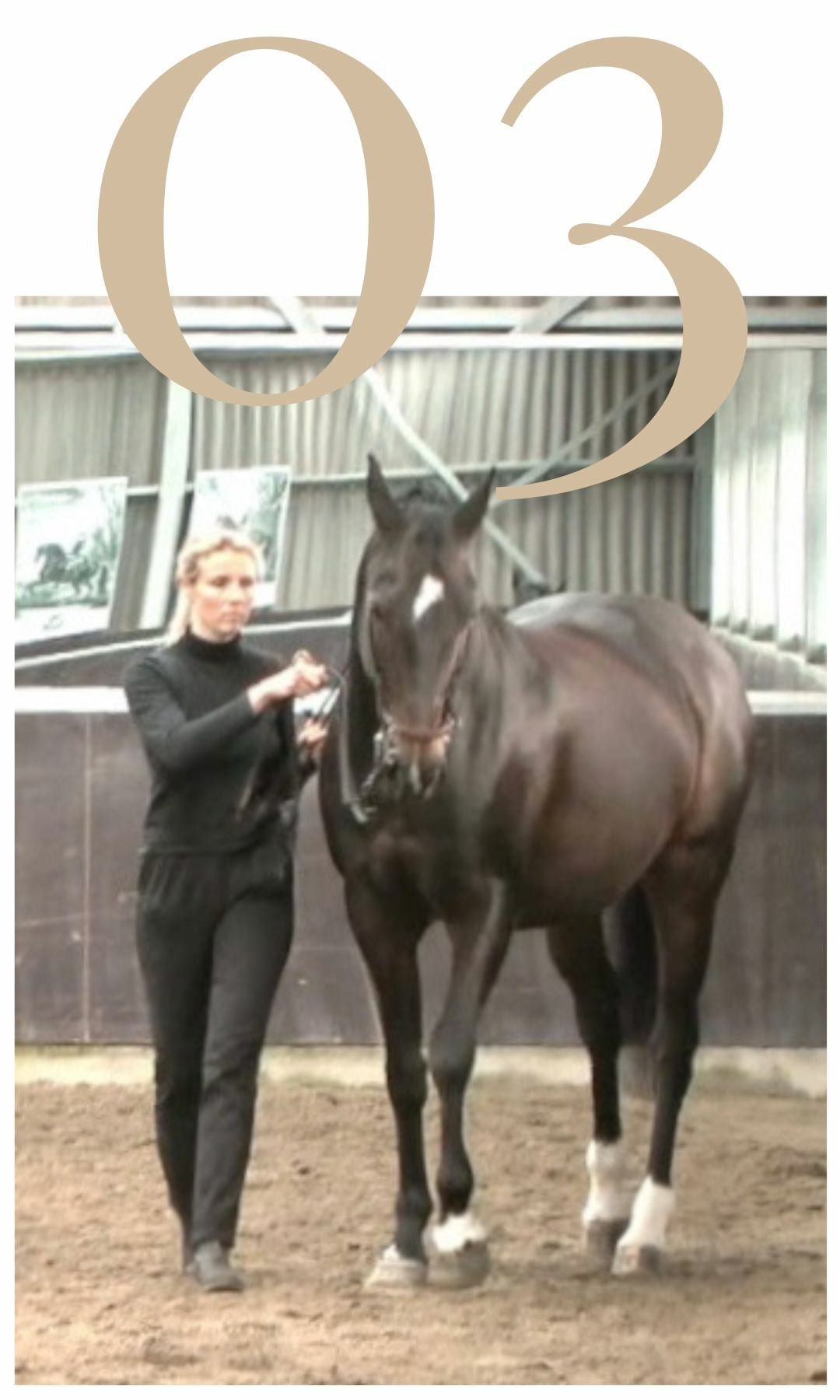
Riding is one of the five training pillars of Straightness Training. Together, the pillars create a logical system that develops your horse step by step.
 Groundwork
 Longeing
 Work in Hand
 Riding
 Liberty
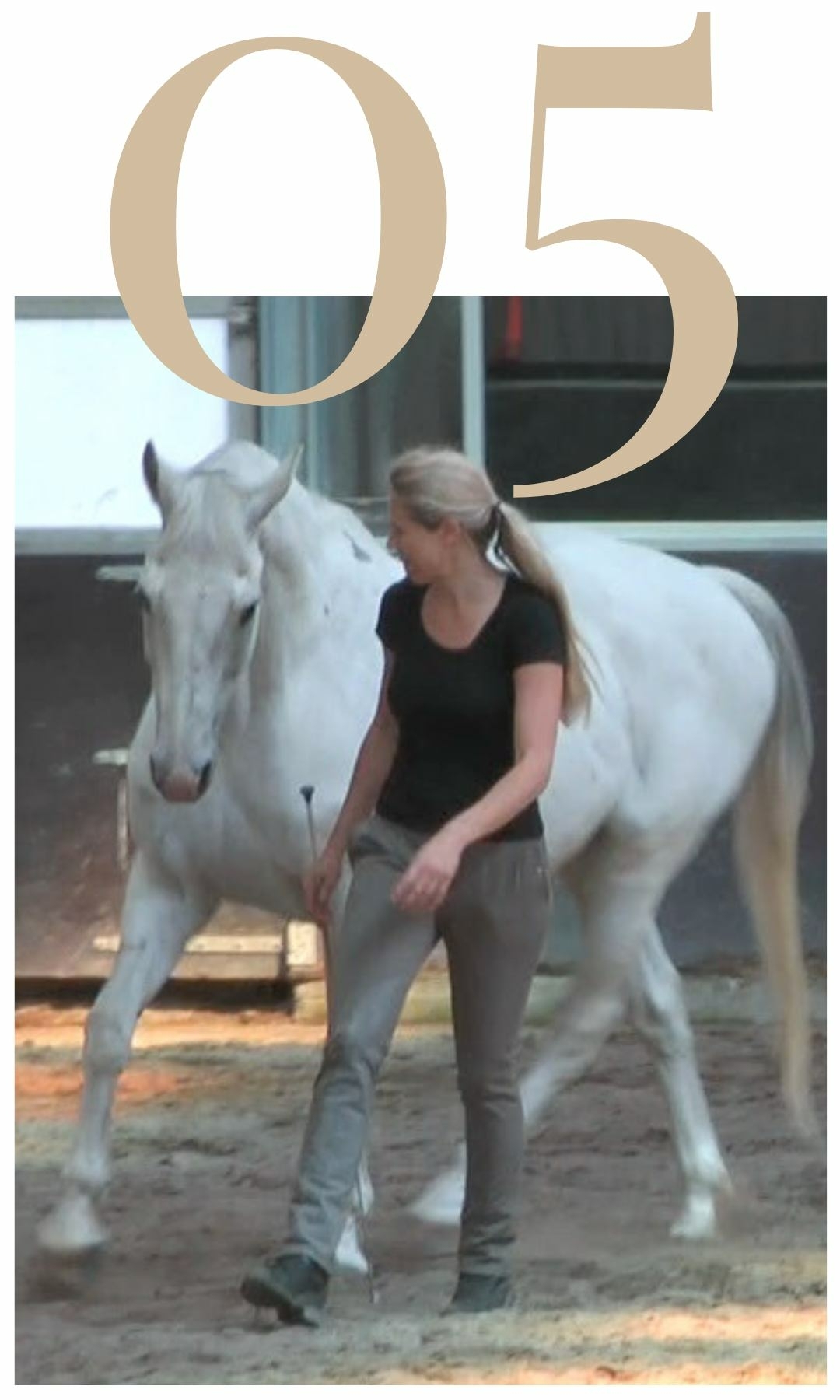
Each pillar builds on the previous one. Riding is where all previous work comes together.
The whole is greater than the sum of its parts.
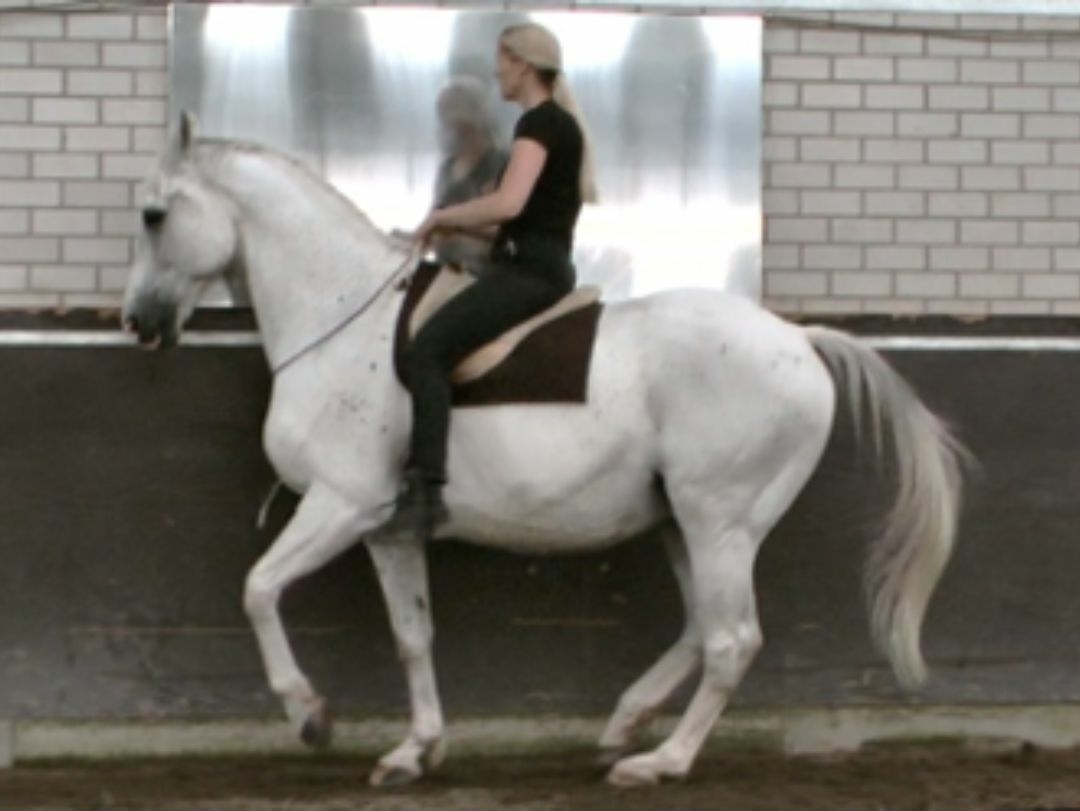
See the transformation in my horse Maestro, the horse who STarted it all:
Before
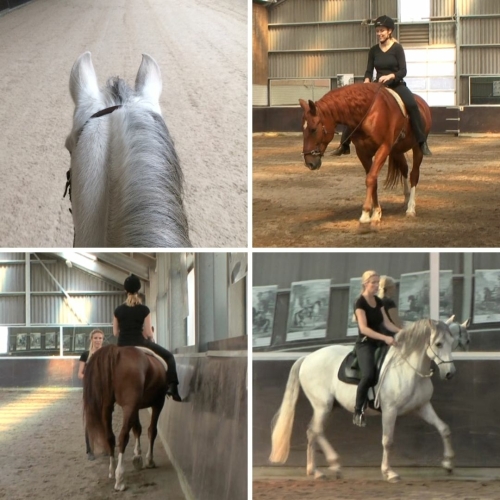
Basic riding exercises
Your horse already learned the exercises from the ground.
Now you bring them into riding:
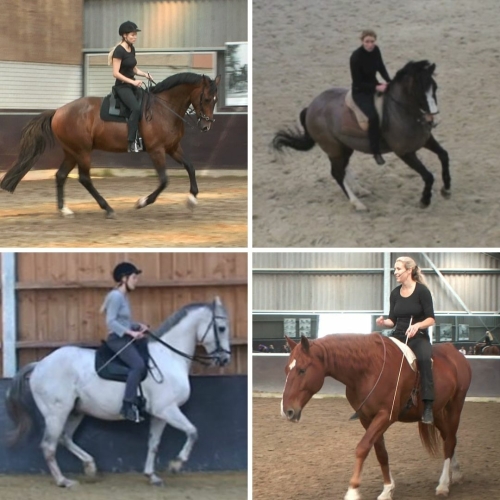
Once the basics are established, riding evolves into gymnastic exercises such as:
These exercises improve strength, coordination, and collection, and prepare your horse for light, balanced riding.
How to start
Your horse already learned the exercises from the ground.
Now you bring it into riding.
First, your horse understands the exercises.
Then, your horse learns to do them with a rider.
At the beginning, this is often done with help from the ground.
The horse already knows the “old” aids from longeing.
The rider introduces the “new” aids.
Step by step, your horse connects both, until your horse responds directly to the rider.
Your horse learns to understand:
Step by step, everything becomes more clear.
What is your riding goal? Do you want to have a balanced horse so you can hack out? Or would you like to jump? Do you want to do competition? Or do you want to master classical equitation?
Whatever you do, you need a balanced horse. Straightness Training will help you achieve that.
Riding is not about forcing the horse into a frame. It’s about developing balance, suppleness and shape by stretching and strengthening the muscless step by step.
2. Why does riding sometimes feel difficult?
Often because the foundation is not fully developed and the horse's natural asymmetry is not addressed. Imbalance and stiffness will then show up more clearly under saddle.
3. How can I improve my horse’s balance under saddle?
By developing your horse step by step, starting with groundwork. From the ground, it's easier to stretch short muscles, strengthen long muscles, and build balance and coordination.
4. Do I need to stop riding when I start doing Straightness Training?
It depends. If your horse is very stiff, has developed an underneck, or has a tight back, it can be helpful to focus on groundwork for a few weeks to allow the muscles to relax and stretch.
5.When will riding start to feel easier?
As your horse becomes more supple, relaxed, balanced and responsive, riding naturally becomes lighter and more harmonious.
What most riders completely miss, and how it's affecting your horse.
In this free guide, you’ll discover: